Manual handling of loads is one of the main causes of musculoskeletal injuries in the construction and renovation sector. In routine tasks such as installing a shower tray, lifting, carrying or positioning large-format pieces can pose a risk if not done correctly.
To reduce these risks, European legislation sets out specific safety rules. One of the most relevant is Directive 90/269/EEC, which regulates manual handling of loads in the workplace.
In this article, we explain what this regulation requires and how to apply it when installing shower trays, including solutions that help professionals work more safely and efficiently.
What you will learn in this article
1. Directive 90/269/EEC: What it establishes regarding manual handling of loads.
2. Common risks: What the most frequent risks are when installing shower trays.
3. Best practices: How to reduce physical strain on site effectively.
4. Support tools: Which solutions help handle shower trays more safely, such as lifting and positioning systems.
What Directive 90/269/EEC is and why it affects installers
Council Directive 90/269/EEC lays down minimum health and safety requirements for workers who manually handle loads.
Its aim is to prevent injuries, especially back injuries, resulting from tasks such as lifting, carrying or moving heavy objects without mechanical assistance.
In the bathroom and renovation sector, this regulation directly affects tasks such as:
- transporting materials
- installing sanitary ware
- handling shower trays
- placing large-format elements
The fundamental principle of the directive is clear: manual handling must be avoided whenever possible. When it cannot be avoided, measures must be adopted to reduce physical strain and improve ergonomics.
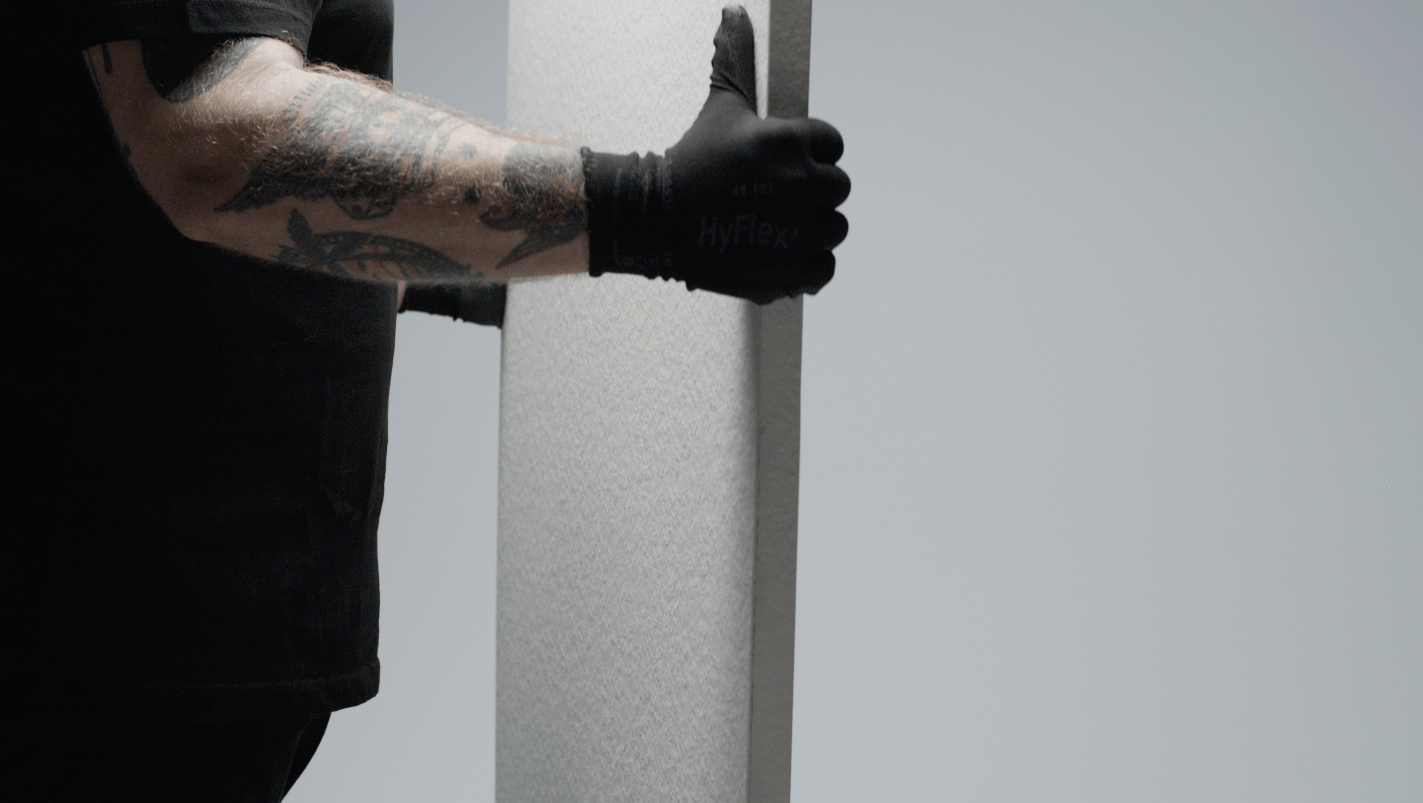
Why installing a shower tray involves ergonomic risks
During a bathroom renovation, the installer usually faces several situations that increase the risk of injury.
The shower tray must be moved from the delivery point to the installation area, usually through tight spaces. It then has to be positioned accurately, adjusted to floor level and properly connected to the drainage system.
This process combines several risk factors:
- handling bulky pieces
- awkward postures in small spaces
- lifting and twisting movements
- physical strain concentrated in the lower back area
The problem is not only the weight of the tray. Its size, the difficulty of gripping it and the control needed to place it accurately also play a role.
When these operations are carried out without mechanical aids or with incorrect techniques, the risk of injury increases considerably.
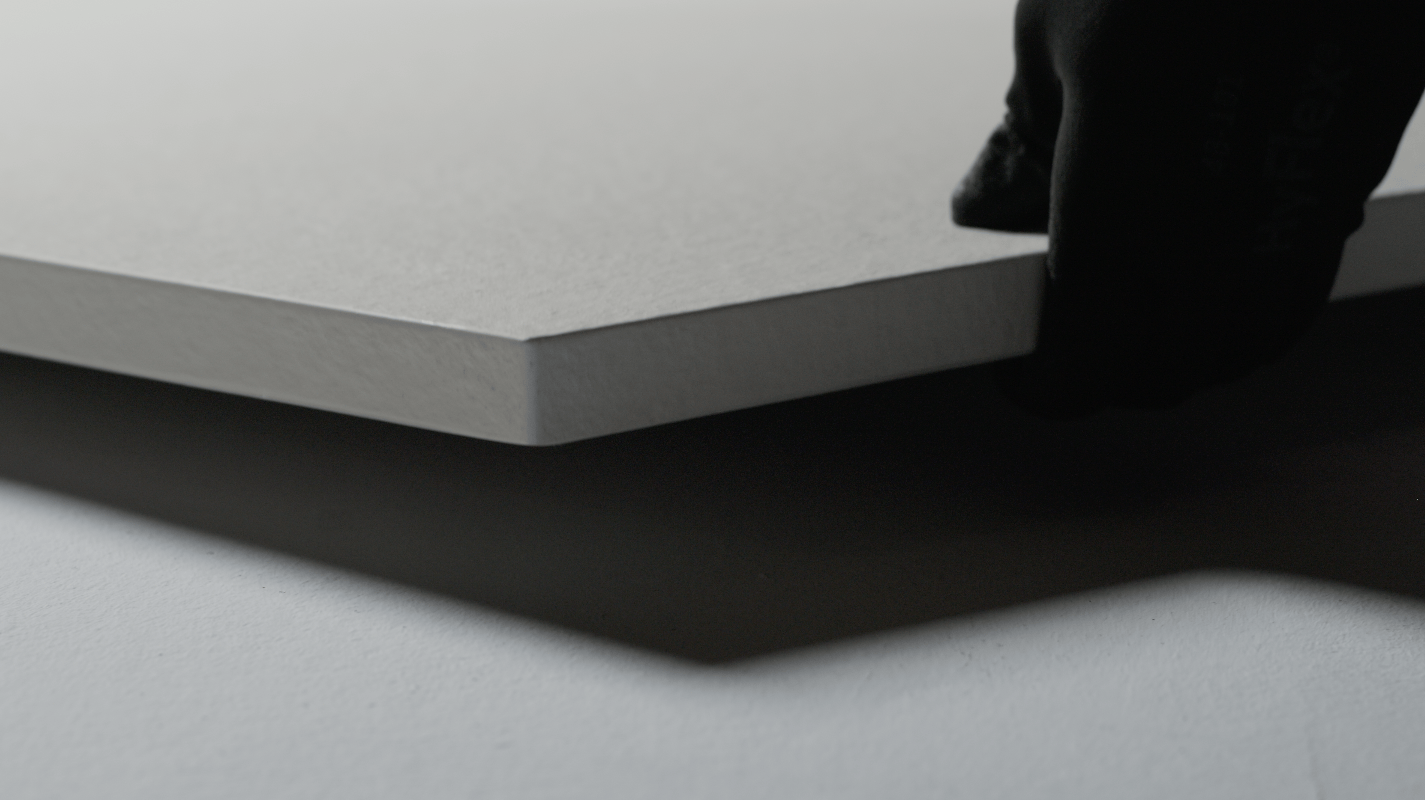
Factors that determine the risk when handling a shower tray
European regulations identify several factors that must be assessed when manually handling loads. In the installation of shower trays, these elements directly affect work safety.
| Factor | Impact on installation |
| Tray weight |
Large-format trays may require handling by two people |
| Dimensions | The larger the piece, the harder it is to maintain a secure grip |
| Working posture | Access to small bathrooms forces awkward positions |
| Carrying distance | A long route increases accumulated strain |
| Handling frequency | Repeating the task increases the risk of injury |
Assessing these factors before starting the installation makes it possible to plan the work and apply appropriate preventive measures.
How to comply with Directive 90/269/EEC when installing shower trays
Complying with this regulation does not involve complex procedures. In practice, it is a matter of applying basic principles of ergonomics and work organisation.
The first step is to reduce manual handling wherever possible. This can be achieved through tools that help transport or position the shower tray with less physical effort.
When the size or weight of the tray requires it, handling should be carried out by two people to distribute the load and improve control of the piece during transport and placement.
It is also important to apply a correct lifting technique. Keeping the load close to the body, bending the knees and avoiding sudden twisting of the torso are fundamental measures to protect the spine.
Another key recommendation is to plan the route before moving the tray, removing obstacles and preparing the work area to avoid unnecessary movements.
Tools that improve ergonomics during installation
The evolution of the sector is introducing specific solutions to improve ergonomics on site. One example is the use of tools designed to lift and position shower trays in a controlled way, reducing the installer’s physical effort.
In this context, mcbath has developed Lifter, a tool designed to make handling shower trays easier during installation.
This system makes it possible to lift, tilt and position the tray more precisely, avoiding sudden movements and reducing the strain on the professional’s back.
You can find out more about this tool on the product page:
👉 Lifter, the tool for tilting and installing shower trays
The use of this type of solution directly reflects the principle of Directive 90/269/EEC: to minimise manual handling of loads through mechanical aids.
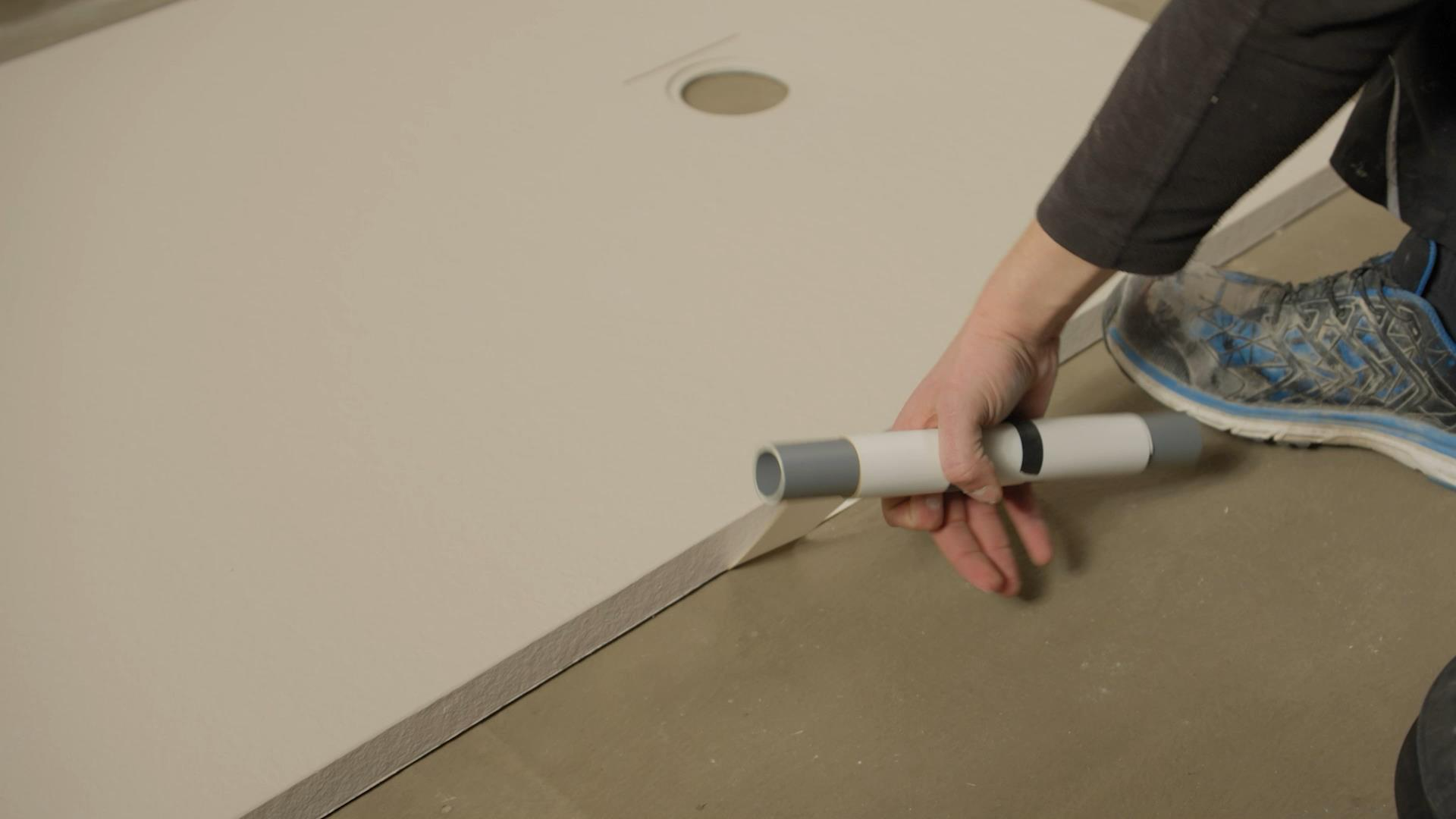
Our Lifter tool for lifting and tilting
The role of product design in installer safety
In addition to tools, the design of the product itself also influences safety during installation.
Advances in materials make it possible to manufacture lighter shower trays without compromising their strength. This makes them easier to handle on site and reduces the effort needed to transport and place them.
In the case of mcbath, the development of technologies based on optimised mineral fillers and recycled resins makes it possible to create more manageable shower trays adapted to the installer’s real needs.
This approach responds to a growing trend in the sector: designing solutions that not only improve product performance, but also the professional’s working conditions.
Safety and efficiency in installation
Complying with Directive 90/269/EEC is not only a regulatory obligation. It is also a way to improve on-site safety and reduce the risk of long-term injuries.
Applying ergonomic principles, using suitable tools and working with products designed to make handling easier allows for safer and more efficient installations.
In a sector where physical work remains an essential part of day-to-day activity, risk prevention is a direct investment in the installer’s health and in the quality of the final work.
Frequently asked questions about handling shower trays
What does Directive 90/269/EEC say about handling loads?
The directive states that manual handling of loads should be avoided whenever possible. When it cannot be avoided, measures must be taken to reduce physical strain through mechanical aids, work organisation and ergonomic techniques.
When is it recommended to handle a shower tray with two people?
When the weight or dimensions of the tray make it difficult for one person to handle it safely. This usually happens with large-format trays or when access to the bathroom is complicated.
What tools help install shower trays more safely?
Lifting and positioning tools make it possible to handle the tray with greater control. Solutions such as mcbath Lifter make it easier to lift and tilt the tray during installation, reducing physical strain and the risk of injury.